Pipeline failures were slow, noisy, and too late.
Developers at Capital One were losing time to CI/CD pipeline failures that showed up too late in the process, after significant work was already done. When something broke, there was little guidance on how to fix it. And the notification system was either overwhelming developers with noise or staying completely silent when it mattered.
The goal of Project Bonneville was to help teams "shift left", catching and resolving issues earlier in the build process. We found that the biggest design opportunity wasn't the pipeline itself, but the communication layer around it.
15 interviews. One clear signal.
I conducted empathy interviews with 15 developers across different tech teams to understand where the real friction was. Using funneling techniques, we uncovered a consistent theme that surprised us: notification fatigue was a bigger blocker than the pipeline failures themselves.
After synthesizing via an affinity map, we narrowed to four core findings:
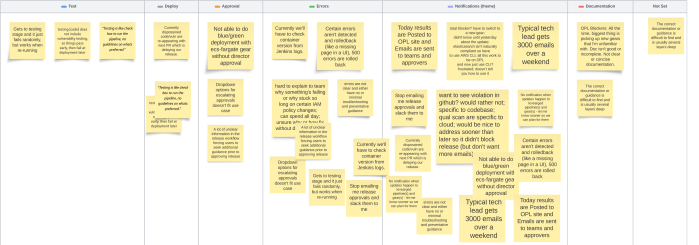
Affinity mapping · 15 interviews synthesised
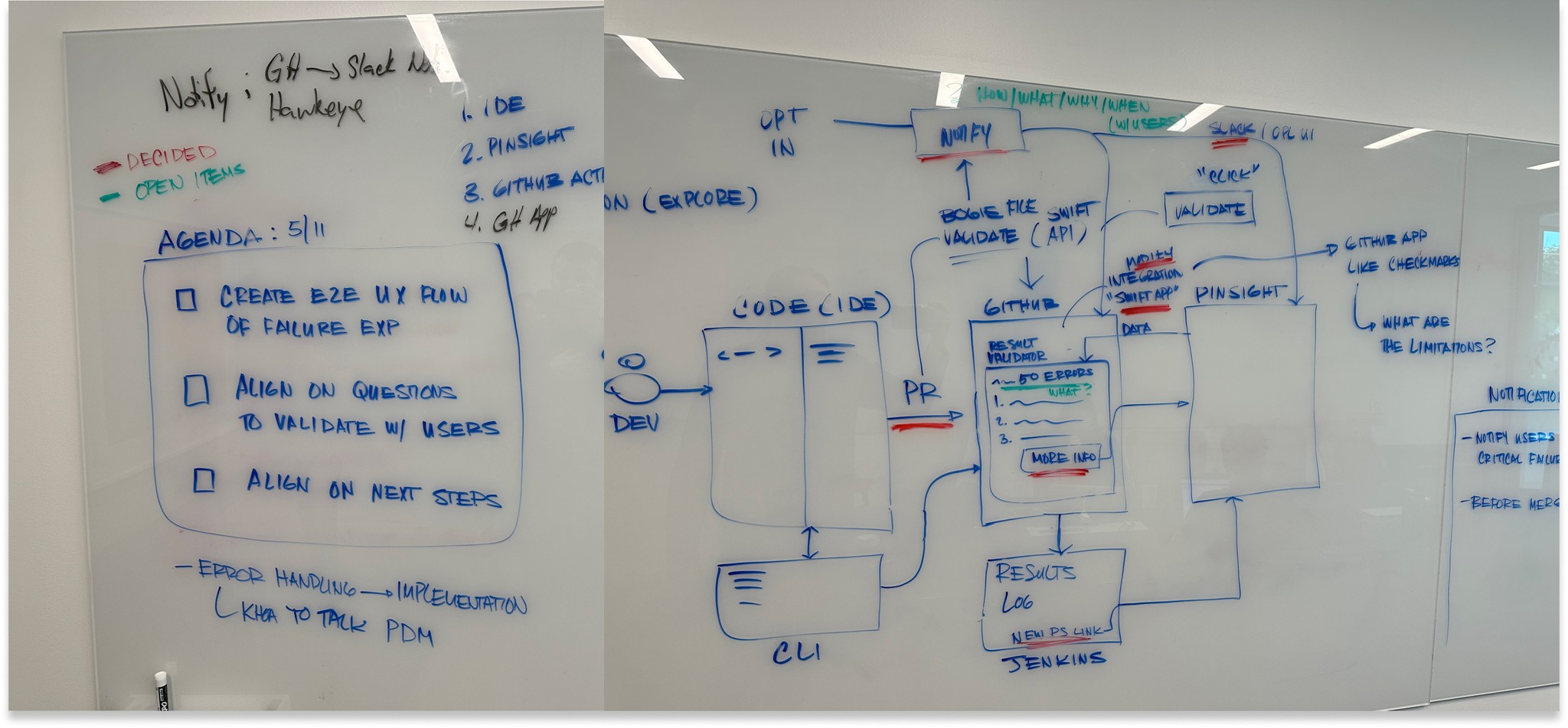
Empathy interviews · Capital One engineering teams
Auditing what already existed.
I audited notification systems across Capital One's internal tools and external developer platforms, compiling findings in a matrix to identify market gaps. The analysis pointed to a clear opportunity: centralized in-app notifications paired with a smarter Slack integration were both underserved in the current stack.
Competitive analysis matrix · internal + external platforms
12-person workshop. 3 concepts to test.
I led and facilitated a cross-functional ideation workshop with 12 stakeholders and developers. Using Lucid, participants submitted ideas and voted on the top three to validate:
I brought in findings from the notification research to support the first direction, which became the primary design focus.
Lo-fi → validation → hi-fi → ship.
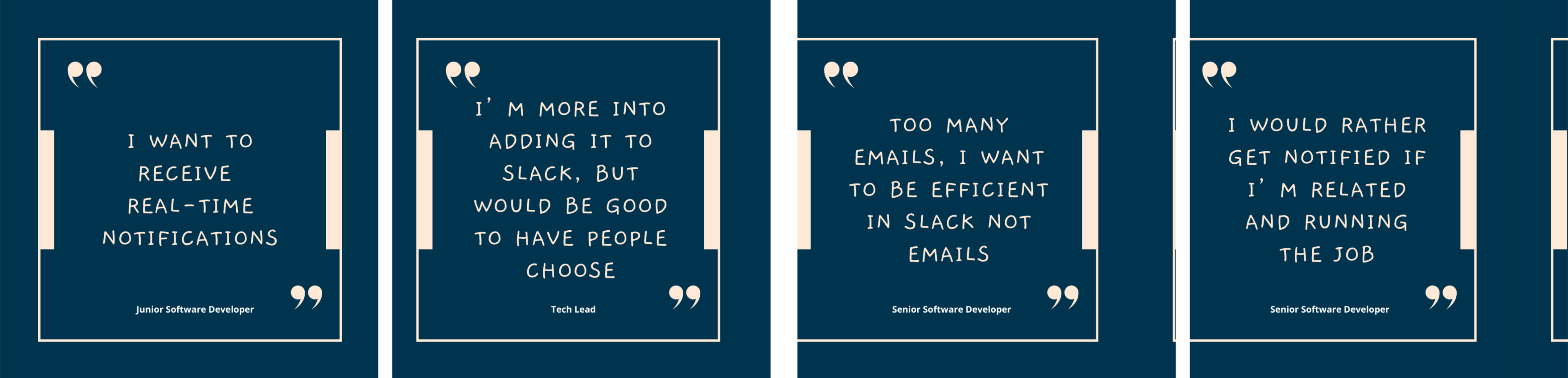
I created lo-fi and mid-fi wireframes for three alerting concepts, then ran a quick concept test with 20 users to identify which banner pattern caused the least fatigue. The winning concept was the least intrusive option, consistent with patterns from the competitive audit.
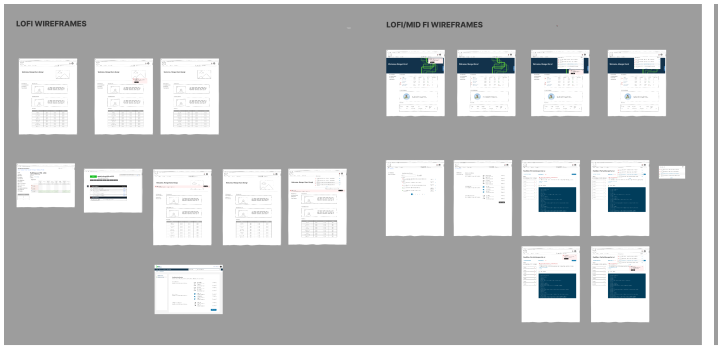
Lo-fi wireframes · three alerting concepts
From there I moved to high-fidelity with four core deliverables:
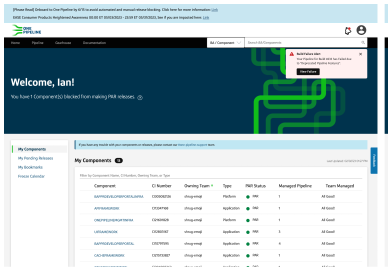
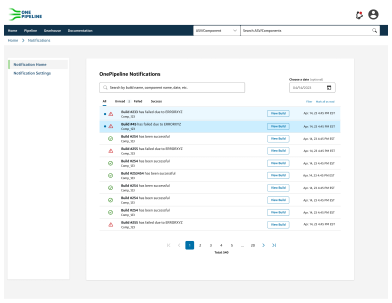
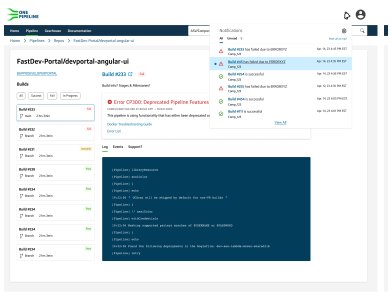
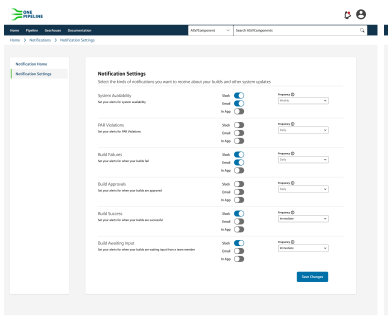
Hi-fi screens · failure alert · notification center · dropdown · settings
Shipped. Measured. It worked.
After release, we tracked against the original tech initiative metrics. The new notification system drove a 50% reduction in failed builds, the primary goal of Project Bonneville. The centralized notification center, smarter Slack messaging, and redesigned email alerts gave developers the signal clarity they'd been missing.
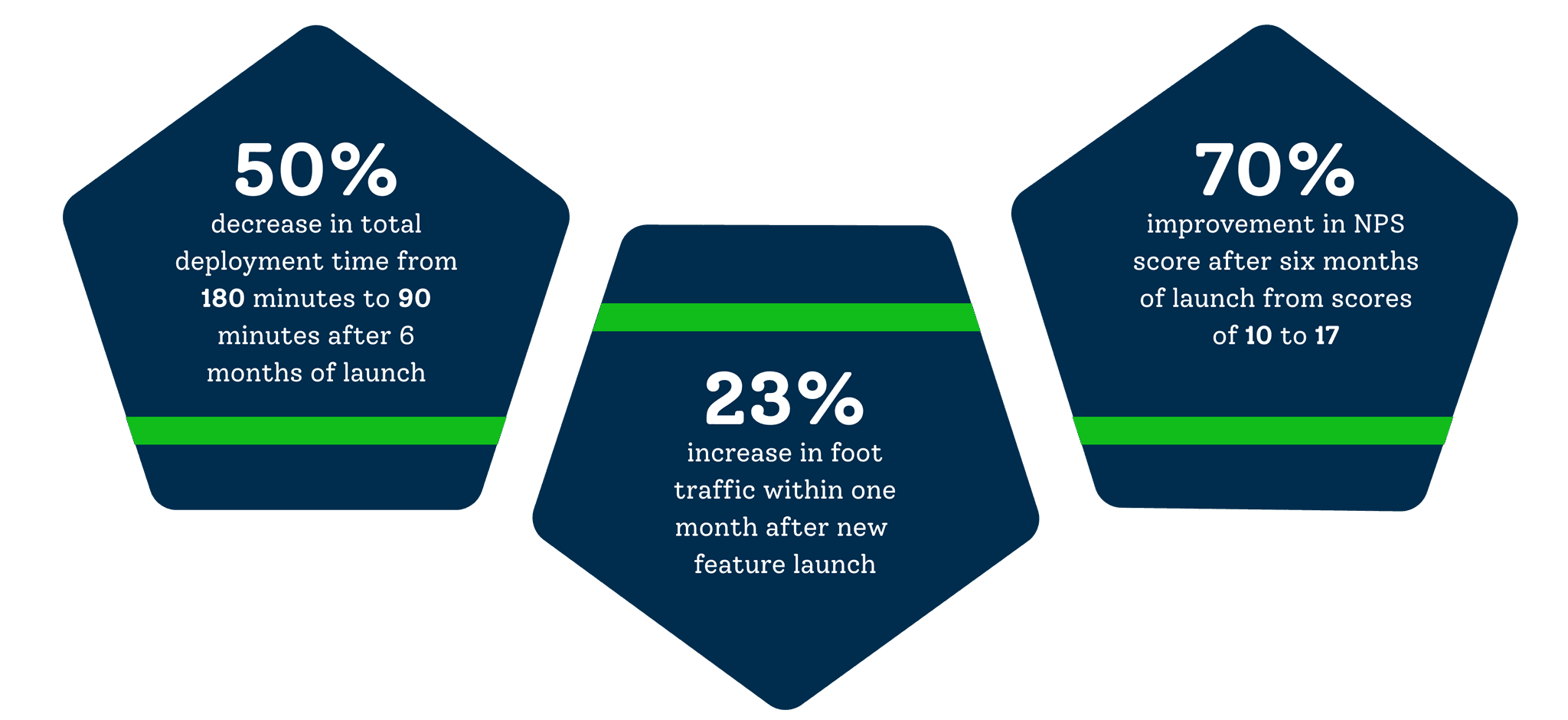
Post-launch metrics · Project Bonneville
Communication design is product design.
The biggest lesson from this project was how much time gets lost when teams work in silos. Leadership was running ideation sessions without communicating outcomes, which meant design work was being done against deprecated decisions.
I started bridging that gap by organizing Slack channels and JIRA workflows across leadership, external teams, and the design team, using my scrum background to keep information flowing in real time. That coordination shift is what unlocked the final sprint to shipping.